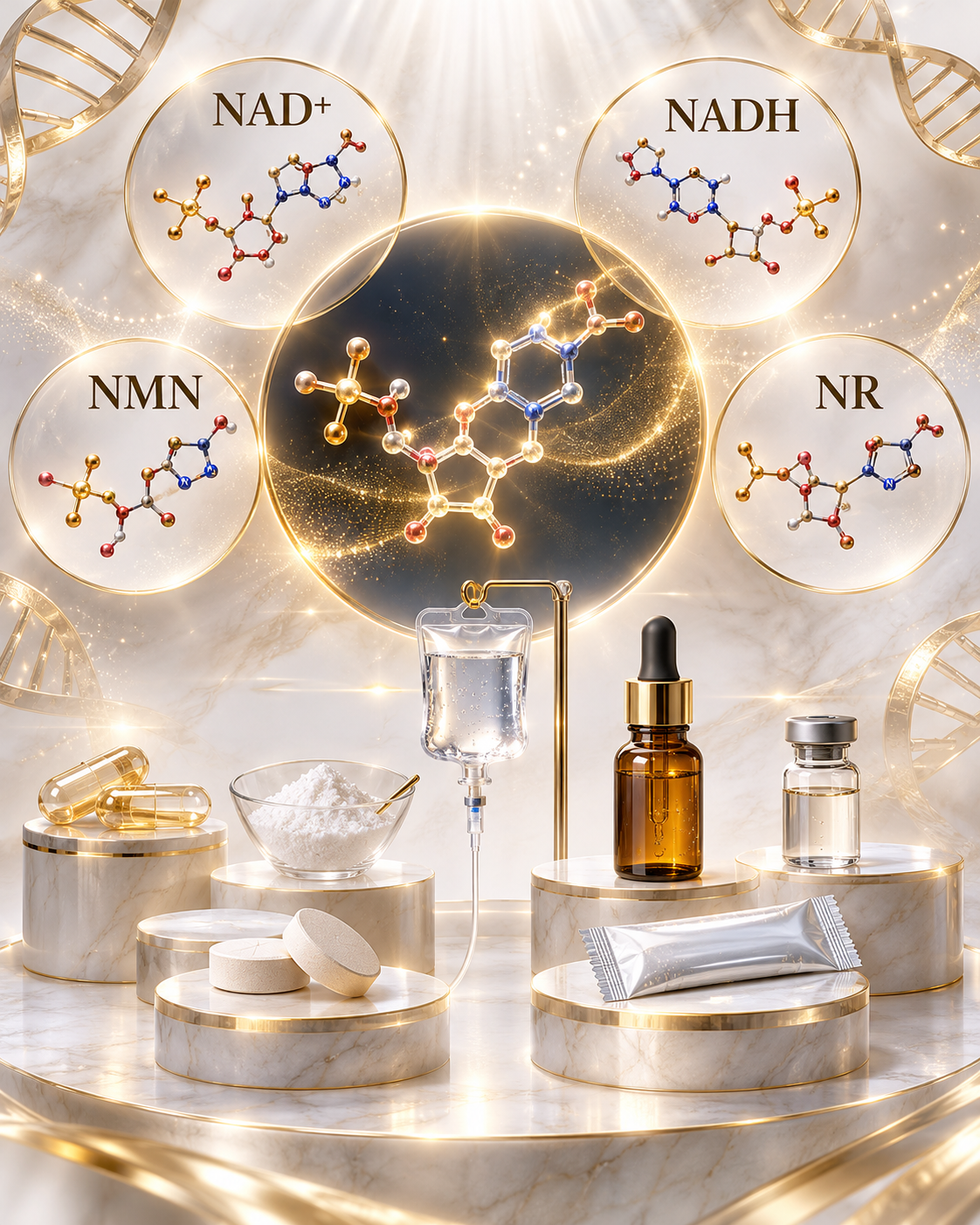


As of 2026, Nicotinamide Adenine Dinucleotide (NAD+) is widely recognized as an indispensable coenzyme, integral to every living cell. It functions as a crucial “helper molecule,” orchestrating hundreds of biochemical reactions fundamental for life, with primary roles in cellular energy metabolism and the intricate processes of cellular repair.
The Foundational Role of NAD+ in Cellular Biology
Nicotinamide Adenine Dinucleotide, universally abbreviated as NAD+, represents a fundamental coenzyme present within every living biological cell. Its ubiquity underscores its critical importance across all forms of life. Functionally, NAD+ is best conceptualized as a “helper molecule” – a biochemical facilitator that enables and expedites a vast array of cellular reactions. Research consistently confirms its involvement in hundreds of distinct biochemical processes, each indispensable for the maintenance of life itself. These processes are broadly categorized into two paramount domains: the efficient metabolism of energy derived from nutrients, and the sophisticated mechanisms of cellular repair and maintenance, which collectively contribute to overall cellular resilience and function.
The NAD+/NADH Cycle: The Cellular Energy Shuttle Mechanism
The operational efficacy of NAD+ is inherently linked to its dynamic interconversion between two distinct yet interdependent forms: NAD+ (Nicotinamide Adenine Dinucleotide, Oxidized form) and NADH (Nicotinamide Adenine Dinucleotide, Reduced form). This biochemical duality allows NAD+ to act as an intracellular “shuttle” system for electrons, a process analogous to a battery charging and discharging.
- NAD+ (Oxidized Form): This form is frequently characterized as the “empty” electron shuttle. In its oxidized state, NAD+ possesses a high affinity for electrons. It actively accepts electrons released during the breakdown of macronutrients-carbohydrates, fats, and proteins-ingested through diet. This electron acceptance is a crucial initial step in cellular energy extraction, positioning NAD+ as a primary electron acceptor in metabolic pathways.
- NADH (Reduced Form): Once NAD+ accepts electrons, it undergoes reduction and transforms into NADH. This can be viewed as the “full” electron shuttle. NADH is then tasked with transporting these high-energy electrons to the mitochondria. Within the mitochondrial matrix, these electrons are critically utilized in the electron transport chain, a complex series of reactions that ultimately drives the synthesis of Adenosine Triphosphate (ATP).
This perpetual cycling between NAD+ and NADH is not merely a passive chemical equilibrium; it is a meticulously regulated, highly efficient biological mechanism. It serves as the pivotal biochemical conduit through which the body consistently and effectively converts the caloric energy contained within nutrients into ATP. ATP, as the universal primary energy currency of the cell, powers virtually all cellular activities, from muscle contraction and nerve impulse transmission to synthetic reactions and active transport. Thus, the integrity and efficiency of the NAD+/NADH cycle are paramount for sustaining cellular vitality and function.
NAD+-Dependent Enzyme Systems and Their Impact on Health and Longevity
Beyond its direct involvement in energy production, NAD+ serves as an indispensable substrate, or fuel, for several families of enzymes. These enzymes are not merely ancillary; they are foundational regulators of cellular health, the aging process, and the body’s adaptive responses to stress. Their function is directly contingent upon the availability of NAD+, highlighting the coenzyme’s far-reaching impact.
- Sirtuins (“The Longevity Genes”): This is a highly significant family comprising seven distinct proteins (SIRT1-SIRT7 in mammals). Sirtuins are widely recognized for their profound influence on regulating various aspects of cellular health, critically modulating processes related to aging and enhancing cellular resistance to diverse forms of physiological stress. These enzymes operate as NAD+-dependent deacetylases, meaning they remove acetyl groups from target proteins only when NAD+ is present. This enzymatic activity allows Sirtuins to impact gene expression, DNA repair, mitochondrial biogenesis, and inflammation. Consequently, a robust supply of NAD+ is absolutely essential for the optimal functioning of these “longevity genes,” directly linking NAD+ levels to cellular resilience and lifespan pathways.
- PARPs (Poly ADP-ribose polymerases – DNA Repair): PARPs represent another crucial family of enzymes that are profoundly dependent on NAD+. Their primary biological role is the vigilant detection and subsequent repair of damaged DNA. DNA integrity is paramount for preventing mutations, cellular dysfunction, and the onset of numerous diseases. However, the mechanism by which PARPs facilitate DNA repair involves the consumption of NAD+ molecules. Specifically, PARPs cleave NAD+ to release nicotinamide and ADP-ribose, which is then used to synthesize poly(ADP-ribose) chains on target proteins. This consumption means that in situations of high genomic stress or significant DNA damage-conditions that often become more prevalent with age or environmental insults-PARPs become highly active. This heightened activity, while essential for maintaining genomic stability, can inadvertently lead to a substantial depletion of cellular NAD+ stores, creating a delicate balance between repair efficiency and metabolic resource allocation.
- Circadian Rhythms: The body’s internal biological clock, known as the circadian rhythm, is a complex regulatory system that governs sleep-wake cycles, hormone release, feeding behavior, and metabolic timing over approximately a 24-hour period. Recent advancements in cellular biology have firmly established a direct link between NAD+ metabolism and the core components of the circadian clock. NAD+ plays a crucial role in regulating the expression and activity of specific clock genes and proteins. By influencing the rhythmic patterns of NAD+ synthesis and degradation, the coenzyme significantly impacts the precision and robustness of these internal biological timers. Disruptions in NAD+ levels can therefore contribute to dysregulation of circadian rhythms, potentially affecting sleep quality, metabolic homeostasis, and overall physiological synchronicity.
The Age-Related Decline of NAD+ Levels: Mechanisms and Implications
A substantial body of scientific research, particularly active in 2026, consistently indicates that the cellular levels of Nicotinamide Adenine Dinucleotide (NAD+) exhibit a natural and progressive decline as individuals advance in age. This decline is not marginal; studies suggest that NAD+ levels can precipitously drop by as much as 50% by the age of 50. This age-associated reduction in NAD+ is a critical factor contributing to many hallmarks of aging and age-related physiological decline, driven by a confluence of increased consumption and decreased production mechanisms.
The decline is predominantly attributable to two principal factors:
- Increased Consumption of NAD+: As individuals age, and particularly in the presence of chronic low-grade inflammation, the activity of certain NAD+-consuming enzymes tends to increase significantly.
- CD38: This enzyme, a glycohydrolase, is involved in immune responses and signaling pathways. Its activity levels are observed to rise with age and in inflammatory states. CD38 is a potent consumer of NAD+, effectively “burning through” the available NAD+ molecules at an accelerated rate. This heightened CD38 activity redirects NAD+ from other vital processes, such as Sirtuin activation or PARP-mediated DNA repair, contributing directly to the observed decline in total cellular NAD+ pools.
- PARPs (DNA Repair Enzymes): As previously discussed, PARPs are essential for maintaining genomic integrity. However, with increasing age, cells accumulate more DNA damage due to a lifetime of exposure to mutagens, oxidative stress, and replication errors. This necessitates a greater reliance on PARP activity. Consequently, the increased demand for DNA repair drives higher PARP activation, leading to a proportionally greater consumption of NAD+. This creates a “NAD+ sink,” where the very process of repairing age-related damage further depletes the critical coenzyme.
- Decreased Production of NAD+: Concurrently with increased consumption, the cellular machinery responsible for synthesizing and recycling NAD+ becomes less efficient over time.
- The Salvage Pathway: The primary mechanism by which cells maintain NAD+ levels is through the “salvage pathway.” This pathway reuses nicotinamide and other NAD+ metabolites, converting them back into active NAD+. It is an energetically efficient recycling system. However, research indicates that the enzymes and regulatory components of this salvage pathway diminish in activity or efficiency as organisms age. This decline in recycling capacity means that even if NAD+ is consumed, the ability to regenerate it from its precursors becomes compromised, further exacerbating the net decline in available NAD+. The age-related inefficiency of this vital pathway signifies a compromised cellular ability to sustain robust NAD+ levels.
The interplay between these two factors-heightened demand and diminished supply-creates a robust explanation for the observed age-related reduction in NAD+ levels, making it a pivotal area of focus for healthy aging research in 2026.
Strategies for Optimizing and Boosting NAD+ Levels
Given the critical roles NAD+ plays in cellular function and healthy aging, strategies to mitigate its age-related decline have become a focal point of biomedical research and preventative health initiatives. It is important to note that direct oral supplementation with NAD+ molecules is generally ineffective, as these molecules are typically too large to efficiently cross cellular membranes and be absorbed intact. Consequently, scientific efforts focus on increasing NAD+ levels by providing the body with its precursor molecules-smaller building blocks that cells can readily absorb and convert into NAD+ through endogenous pathways.
Key NAD+ precursors currently under extensive investigation and utilization include:
- NMN (Nicotinamide Mononucleotide): NMN is a direct precursor to NAD+. Structurally, it is just one enzymatic step away from being converted into NAD+. This proximity in the biochemical pathway suggests a highly efficient conversion rate within cells. Clinical and preclinical studies continue to explore NMN’s efficacy in raising systemic and tissue-specific NAD+ levels, with promising implications for various age-related conditions.
- NR (Nicotinamide Riboside): NR is another highly studied form of Vitamin B3 (niacin) that has demonstrated significant efficacy in raising NAD+ levels. It is efficiently transported into cells, where it is converted into NMN, and then subsequently into NAD+. Human trials have consistently reported that NR supplementation can effectively and safely elevate NAD+ levels across various tissues, making it a prominent compound in the field of healthy aging interventions.
Beyond targeted precursor supplementation, certain dietary components also contribute to NAD+ precursor availability, albeit typically in smaller quantities:
- Dietary Sources: Small but measurable amounts of NAD+ precursors are naturally present in various everyday foods. These include dairy products like milk, certain types of fish, specific fungi such as mushrooms, and a range of green vegetables, notably broccoli and avocado. While these dietary sources contribute to baseline NAD+ synthesis, their impact on significantly elevating declining levels typically requires consistent and varied intake.
- Vitamin B3 (Niacin) and Tryptophan: The broader Vitamin B3 family, including Niacin (nicotinic acid) and Nicotinamide, serves as foundational precursors for NAD+ synthesis. Additionally, the essential amino acid tryptophan can be converted into NAD+ through a complex de novo pathway, particularly when dietary B3 intake is insufficient. These nutrients provide the fundamental raw materials that the body’s salvage and de novo pathways utilize to maintain NAD+ homeostasis.
The strategic use of these precursors represents the current frontier in optimizing cellular NAD+ concentrations, thereby supporting cellular health and potentially mitigating aspects of age-related decline.
The Broad Spectrum of Health Benefits Associated with Optimal NAD+ Levels
Maintaining robust and optimal levels of Nicotinamide Adenine Dinucleotide (NAD+) is increasingly correlated with a diverse array of positive “healthy aging” outcomes. The pervasive nature of NAD+ in cellular metabolism and signaling pathways means that its adequate supply impacts multiple physiological systems, contributing to enhanced function and resilience across the organism.
Key potential health benefits associated with sustained optimal NAD+ levels include:
- Enhanced Mitochondrial Function: Mitochondria are often termed the “powerhouses of the cell” due to their primary role in generating ATP. NAD+ is a critical coenzyme in both glycolysis and the Krebs cycle, pathways that feed into the mitochondrial electron transport chain. Optimal NAD+ levels directly support the efficiency of these metabolic processes, leading to improved cellular energy production and reduced feelings of fatigue. A well-functioning mitochondrial network is fundamental for the vitality of all tissues, particularly high-energy-demand organs like the brain and muscles.
- Neuroprotection and Cognitive Support: The brain is an incredibly energy-intensive organ, highly dependent on efficient mitochondrial function and robust cellular repair mechanisms. NAD+ plays a vital role in neuronal health by activating Sirtuins, which protect against neuroinflammation and oxidative stress, and by supporting PARP activity for DNA repair in brain cells. Consequently, maintaining sufficient NAD+ levels is associated with support for cognitive function, potentially enhancing memory, learning, and overall brain health, while offering protective mechanisms against age-related neurodegenerative processes.
- Metabolic Health Improvement: NAD+ is intimately involved in regulating various metabolic pathways that govern glucose and lipid homeostasis. It influences insulin signaling, mitochondrial biogenesis, and fat metabolism. Optimized NAD+ levels are linked to improved insulin sensitivity, which is crucial for preventing type 2 diabetes and managing blood sugar. Furthermore, its role in energy expenditure and fat oxidation contributes to better weight management outcomes, supporting overall metabolic health and reducing the risk factors associated with metabolic syndrome.
- Muscle Recovery and Endurance: Skeletal muscles are highly dynamic tissues that undergo significant energy demands during exercise and require efficient repair processes afterwards. NAD+ is essential for generating the energy needed for muscle contraction and for activating Sirtuins that regulate muscle cell repair and regeneration. Enhanced NAD+ levels can therefore lead to improved muscle endurance, allowing for sustained physical activity, and can accelerate the recovery process after strenuous exercise, facilitating faster repair of muscle tissue damage and reducing post-exertion fatigue.
Collectively, these benefits underscore NAD+’s foundational importance in maintaining physiological balance and supporting a healthier, more resilient aging process, positioning it as a key focus area in the pursuit of longevity and vitality in 2026 and beyond.



Leave a Reply