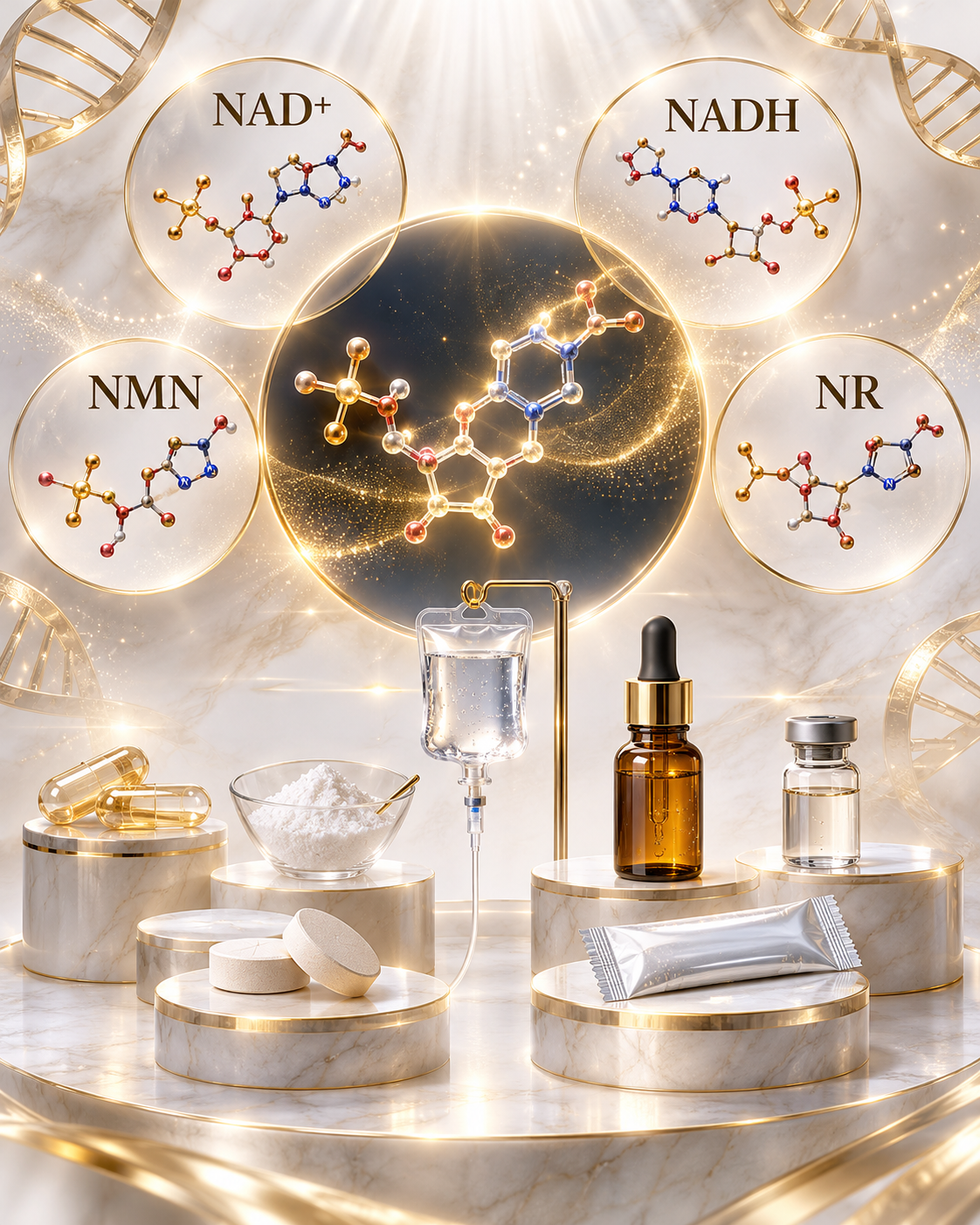


Navigating the Heart of Longevity: NAD+ Metabolism in 2026
As of 2026, Nicotinamide adenine dinucleotide (NAD+) stands as a pivotal coenzyme, fundamental to cellular energy production and repair mechanisms throughout the body. Its indispensable role in sustaining cardiac health and potentially mitigating the array of diseases associated with aging is gaining considerable attention in scientific and strategic circles. The observed decline of NAD+ levels with normal aging and in the presence of various health conditions underscores its critical importance for human longevity and well-being.
What Exactly is NAD+ and Why Does it Matter for Your Heart?
NAD+ is not merely a molecule; it is a central metabolite existing within every living cell, orchestrating hundreds of biochemical reactions vital for life itself.
From a strategic cellular standpoint, NAD+ primarily serves two critical functions:
1. As a coenzyme in redox reactions-shuttling electrons to facilitate energy production
2. As a substrate for a host of NAD+-dependent enzymes. ]
These enzymes, such as sirtuins (SIRTs) and poly(ADP-ribose) polymerases (PARPs), are crucial for DNA repair, longevity signaling pathways, and cellular stress responses.
For the heart, an organ with exceptionally high energy demands, the continuous and efficient supply of cellular energy (ATP) is paramount. NAD+ plays a direct role in converting carbohydrates and fats into this usable energy, primarily within the mitochondria.
Without adequate NAD+, cardiac cells, known as cardiomyocytes, struggle to maintain optimal metabolic activity, potentially leading to impaired mitochondrial function, reduced DNA repair capacity, and increased oxidative stress. This metabolic intricacy highlights why NAD+ is so deeply intertwined with the very resilience and function of our cardiovascular system.
The Age-Old Problem: NAD+ Decline and Cardiovascular Risk
It’s a well-established biological fact that NAD+ levels tend to decline with normal aging, impacting key tissues including the heart, brain, muscle, liver, and skin. While some recent studies using new measurement systems have suggested blood NAD+ levels may remain stable with age, the consensus among researchers points to a measurable age-related decline at the tissue level, which is what truly matters for organ function. This decline is significant, with some estimates suggesting a reduction of as much as 50% by the age of 50.
This age-related NAD+ depletion is not an isolated event; it is accelerated by a confluence of factors including excess caloric intake, a sedentary lifestyle, and chronic diseases such as obesity and hypertension-all major risk factors for cardiovascular disease. The inflammatory state associated with obesity, for example, can disrupt NAD+ salvage pathways, further exacerbating the deficiency. This creates a detrimental cycle where decreasing NAD+ levels contribute to metabolic dysfunction and oxidative stress, directly impacting cardiac output and increasing vulnerability to conditions like heart failure. Elderly patients with heart failure have been observed to have lower NAD+ levels, reinforcing this connection.
A Promising Path Forward: Replenishing NAD+ for Cardiac Health
The strategic implication of NAD+ decline has naturally led to extensive research into replenishment strategies. Preclinical models have consistently demonstrated that enhancing NAD+ levels can yield wide-ranging positive effects on metabolic health and various age-associated diseases. Specifically, experimental elevation of NAD+ has shown promise in improving diverse cardiac conditions including atherosclerosis, ischemic, diabetic, arrhythmogenic, hypertrophic, or dilated cardiomyopathies, as well as different modalities of heart failure. These benefits stem from NAD+’s ability to support mitochondrial health, enhance cellular energy production, reduce oxidative stress, and improve overall cellular function within the heart.
The mechanisms through which these improvements are observed are varied and include pharmacological or genetic inhibition of NAD+-degrading enzymes, external supplementation with NAD+ precursors, and transgenic overexpression of NAD+-generating enzymes. For instance, high NAD+ levels have been linked to reductions in chronic inflammation, decreased LDL-cholesterol, and improved endothelial function in atherosclerosis models, while in coronary disease, elevated NAD+ can enhance autophagy and mitochondrial function. A study published in Experimental Gerontology also indicated that higher dietary intake of NAD+ precursors reduced the risk of all causes of premature death, particularly those related to cardiovascular diseases.
Emerging Clinical Evidence for NAD+ in Heart Failure
The translation of these preclinical findings into human clinical benefits is a crucial area of focus. Recent human trials offer encouraging data, particularly for heart failure patients. A randomized, placebo-controlled trial involving patients with heart failure due to ischemic cardiomyopathy (ICM) found that intravenous (IV) NAD+ treatment (10 mg/day for 7 days) led to a significantly greater improvement in left ventricular ejection fraction (LVEF)-a key measure of heart pumping efficiency-at one month compared to a placebo group. This study, published in September 2025, also noted a trend toward decreased N-terminal pro B-type natriuretic peptide (NT-proBNP) levels, a biomarker for heart strain, and a lower 6-month composite rate of major adverse cardiac and cerebrovascular events. Furthermore, a greater proportion of patients in the NAD+ group showed improvement in their New York Heart Association (NYHA) functional class, indicating better symptom management and quality of life.
NAD+ replenishment also holds particular promise for patients with heart failure with preserved ejection fraction (HFpEF), a condition where the heart muscle contracts normally but struggles to relax properly, making it difficult to fill with blood. This condition currently has few effective therapeutic options. Research indicates that increasing cellular NAD+ levels can mimic the effects of caloric restriction, a known modulator of HFpEF. A study from April 2025 showed that replenishing oxidized NAD+ restored the activity of the enzyme HMGCS2, improved fat metabolism, and rescued heart function in HFpEF models, linking ketone production and mitochondrial health to cardiac recovery. Currently, a Phase 2 clinical trial (pEFNAD Study) is investigating whether oral Tru Niagen (a form of Nicotinamide Riboside) can increase NAD+ levels in the blood and heart muscle of HFpEF patients, aiming to improve heart function, exercise tolerance, glucose tolerance, and blood pressure.
The Precursor Puzzle: Choosing the Right Building Blocks
When discussing NAD+ replenishment, the conversation inevitably turns to its precursors. Nicotinamide riboside (NR) and nicotinamide mononucleotide (NMN) are the two most prominent, alongside nicotinamide (NAM) and nicotinic acid (NA). All are forms of Vitamin B3 and can serve as building blocks for NAD+ synthesis through various salvage pathways.
- Nicotinamide Riboside (NR): NR has received “Generally Recognized as Safe” (GRAS) status from the FDA and boasts a longer track record of published human clinical trials compared to NMN. Studies show NR significantly raises whole-blood NAD+ levels, and it has been explored in various contexts, including preventing age-related cardiac enlargement in preclinical models. A pilot human study published in Frontiers in Aging in June 2026 indicated that intravenous NR infusions were generally safe, well-tolerated, and showed potential to lower HbA1c, suggesting enhanced metabolism.
- Nicotinamide Mononucleotide (NMN): NMN was reinstated as a lawful dietary supplement on September 29, 2025. It is also known to effectively raise blood and tissue NAD+ levels. A head-to-head human trial published in Nature Metabolism in January 2026 found that both NMN and NR approximately doubled circulating NAD+ levels after 14 days of supplementation at 1000 mg/day, showing no significant difference in their immediate impact on circulatory NAD+. However, another study from February 2026 suggested NR might lead to a 2.3-fold higher increase in blood NAD+ levels compared to NMN over 8 days, though neither significantly elevated brain NAD+ in that short timeframe. While NMN is theoretically one enzymatic step closer to NAD+ than NR, whether this translates to clinically meaningful differences in humans is still under investigation. As of 2026, a Phase 2a randomized, double-blind, placebo-controlled clinical trial is ongoing to investigate the effects of oral NMN administration on myocardial NAD+ concentrations and postoperative injury markers in patients undergoing cardiac surgery.
- Nicotinamide (NAM): While NAM supports NAD+ synthesis, high doses can inhibit sirtuins, which are crucial NAD+-dependent enzymes. A recent human trial indicated that NAM supplementation at 0.5 grams daily for 14 days did not significantly increase whole-blood NAD+ levels.
- Nicotinic Acid (NA): This is a potent NAD+ booster, but its use is often limited by uncomfortable flushing side effects.
Overall, early human trials indicate favorable safety profiles for both NR and NMN at doses up to 2,000 mg daily, with minor side effects being infrequent. However, physicians must communicate the current lack of long-term human safety trials for both NR and NMN.
The Road Ahead: Designing Robust Clinical Trials in 2026
From a strategic and scientific perspective, the critical next phase involves the meticulous design and execution of robust clinical trials. The encouraging preclinical data and initial human findings must be rigorously validated in larger, longer-term studies to establish optimal dosing strategies, confirm clinical effectiveness, and fully ascertain long-term safety. Key questions remain regarding optimal dosage, duration of supplementation, and the identification of specific patient populations most likely to benefit.
There is a recognized challenge in translating the impressive benefits observed in animal models directly to human clinical outcomes, emphasizing the need for continued human-focused research. The potential for NAD+-centered treatments to address hitherto intractable cardiac diseases, such as heart failure with preserved ejection fraction (HFpEF), remains a significant area of hope. The development of these advanced therapies will undoubtedly rely on continuous technological and conceptual progress in understanding and fine-tuning the complex regulation of NAD+ metabolism. As an expert in navigating complex regulatory landscapes and fostering innovation, I emphasize that diligent, evidence-based research is the cornerstone of translating this biological promise into tangible health solutions for millions.
SOURCES GROUNDED BY GOOGLE AI:
Verified Google Search SourceCcompletenutrition.comVerified Google Search SourceTtopdoctormagazine.comVerified Google Search SourceAaboutnad.comVerified Google Search SourceTtccompound.comVerified Google Search SourceGgoldmanlaboratories.comVerified Google Search SourceAagelessrx.comVerified Google Search SourceNnad.comVerified Google Search SourceAaboutnad.comVerified Google Search SourceAaboutnad.comVerified Google Search SourceNnih.govVerified Google Search SourceFfightaging.orgVerified Google Search SourceFfoundmyfitness.comVerified Google Search SourceRrenuebyscience.comVerified Google Search SourceNnih.govVerified Google Search SourceAaboutnad.comVerified Google Search SourceAalfredhealth.org.auVerified Google Search SourceTtopvitamine.comVerified Google Search SourceBbettervitals.comVerified Google Search SourceNnmn.comVerified Google Search SourceNnad.comVerified Google Search SourceNnmn.comVerified Google Search SourceYyourhealthier.comVerified Google Search SourceNnad.comVerified Google Search SourceCclinicaltrials.govVerified Google Search SourceNnih.govVerified Google Search Source



Leave a Reply